This piece belongs to a series of 100 posts written in memory of Thom's grandmother, published on her Facebook.
Nguyễn Phương Mai is, to me, one of those people who have made so many admirable “journeys” across such different fields.
She was also one of the first to bring the idea of “neuroplasticity” home and make it known to Vietnamese readers, at a time when the original material could only be reached by researchers in that field, through enormous books and libraries. And that is something worth treasuring.
In one of her recent interviews with Vietcetera, she talks about human oral storytelling from an evolutionary point of view, and with it comes one very small piece of information that has not been highlighted enough: read to your child before bedtime! And in another piece she wrote for Vietcetera she mentions a study of the phenomenon of “childhood amnesia” — a piece I learned a great many important things from.
Childhood amnesia is the phenomenon whereby adults cannot recall memories from before the age of 2 to 4, and usually remember very little of life before 7. The study that shook neuroscience in the 2000s took three groups of adults, each asked to describe and date their earliest personal memory:
New Zealand European.
New Zealand Maori.
Asian.
The result was that Maori adults, whose traditional culture places a strong emphasis on telling stories of the past, had significantly earlier memories than adults from the other two cultural groups. One interesting thing across all three cultures: the memories reported by women held more information than the memories reported by men. This finding supports the view that the age and the content of our earliest memories are shaped by many factors — culture, gender, and the way a child interacts with parents and community among them.
And the interesting part here is that the Maori had no written language at all and depended entirely on oral storytelling!
Are you curious why Asian and European people did not have memories that early?
Being told stories, and everything to do with reading and writing, is a large part of what lets a child form early memories at all.
And this chimes with one of the things I have shared before and agree with completely, from Brenda Fitzgerald, a specialist in reading and writing for children. What predicts the health and the wealth of a three-year-old child?
The answer is: LANGUAGE.
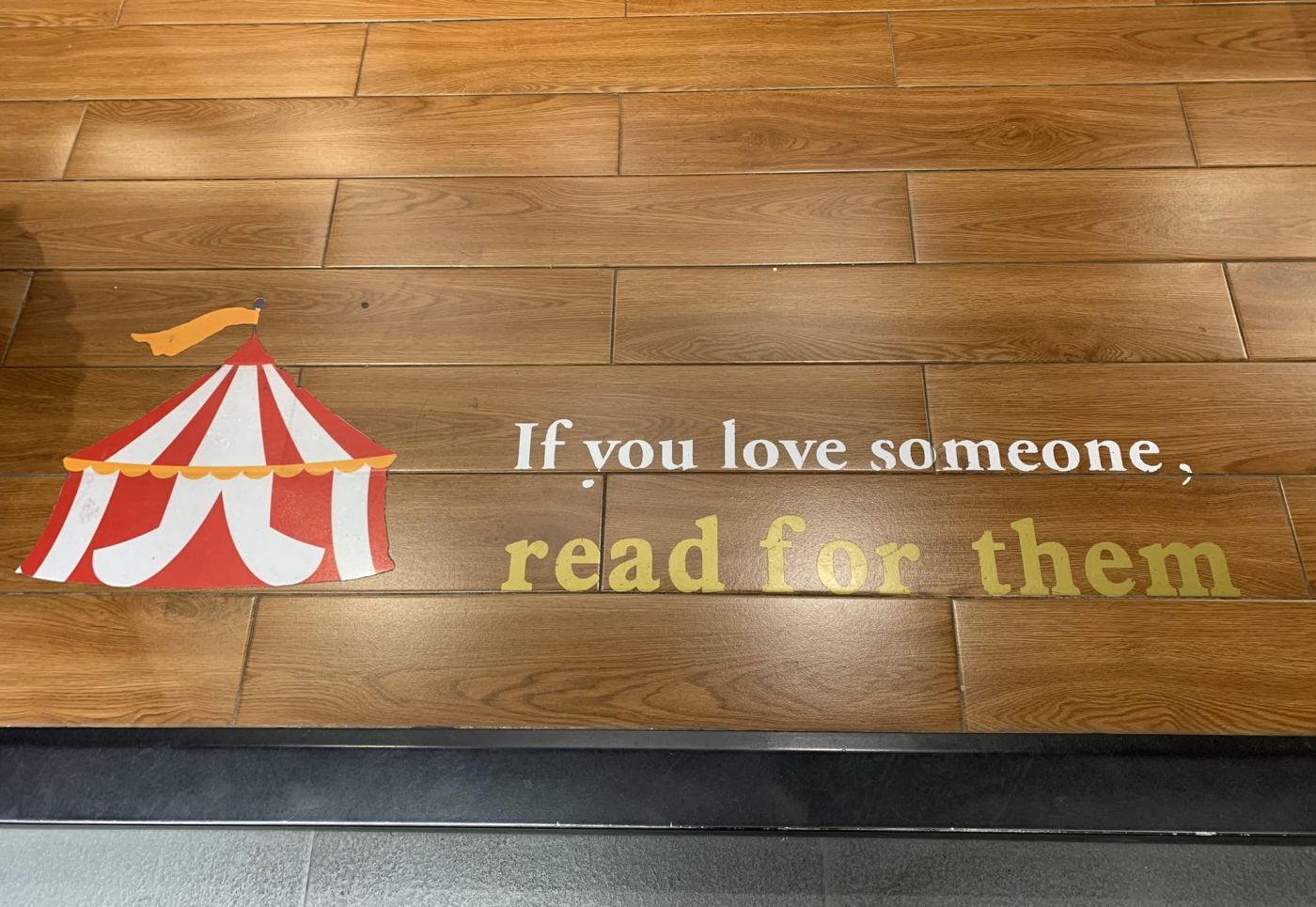
And this is still the photograph that carries that message best of any I have ever posted, at a Sisyphe bookshop, Guilin, China, 04.2023