Pronunciation First: Why Your Ears Come Before Your Tongue
You cannot reliably say a sound you cannot hear. Training perception is the quiet first step of speaking well.
You cannot reliably say a sound you cannot hear. Training perception is the quiet first step of speaking well.
Learners often rush to speak. But speech begins earlier — in the ear. If your language does not distinguish two sounds, your brain has learned to ignore the difference, and you will not hear it in the new language either. What you cannot hear, you cannot reliably produce.
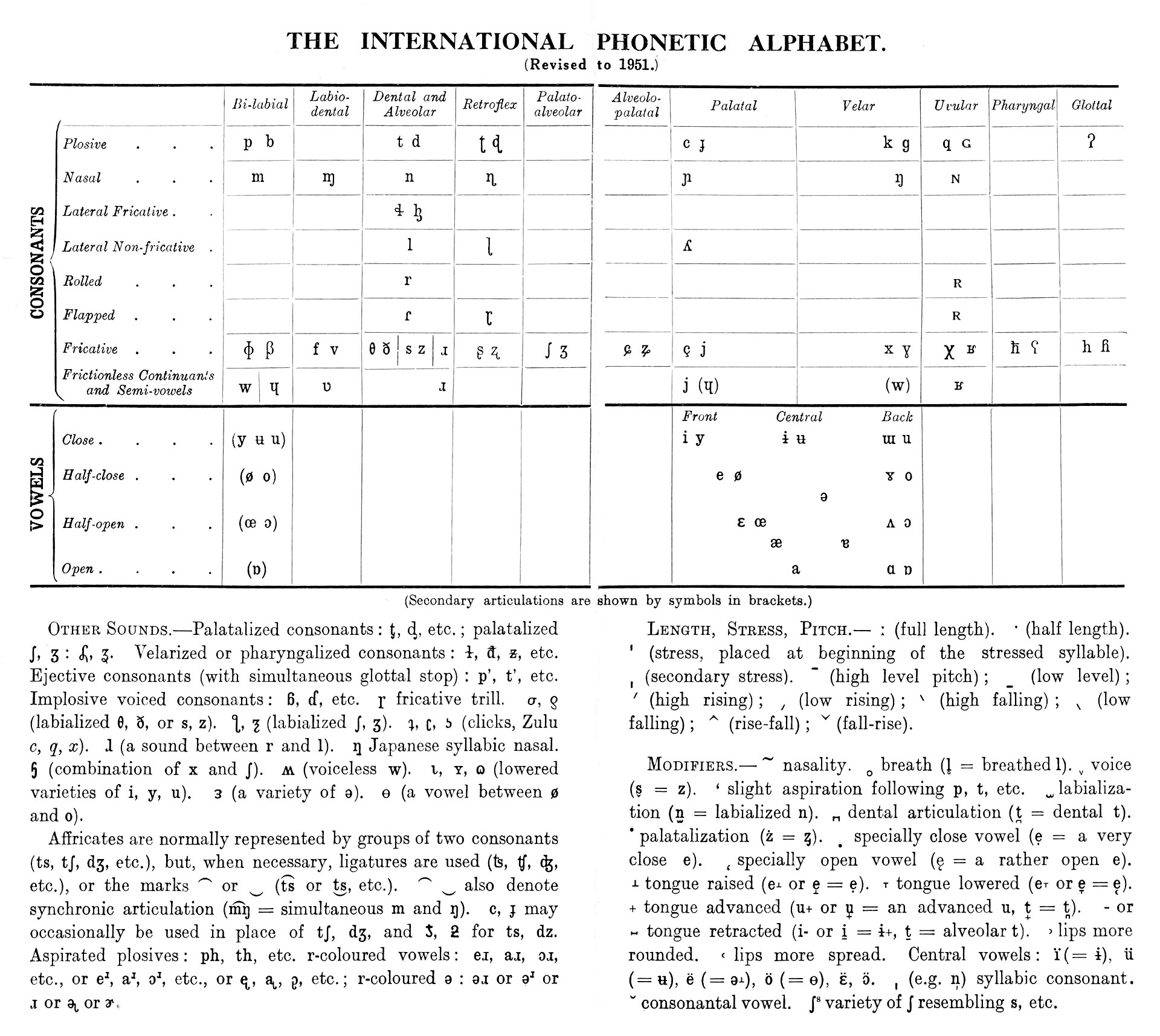
Before drilling your mouth, drill your ears. Listen for the contrasts that matter, compare minimal pairs, and only then bring in production. The mouth follows the ear more easily than the reverse.
The same article, told in plain words — for younger readers, or for anyone who wants the point quickly.
Most people start a new language by trying to speak it. But speaking starts somewhere earlier: in your ears.
Here is the problem. If your own language does not treat two sounds as different, your brain learned long ago to ignore that difference. It is not being lazy — it is being efficient. But it means that when the new language uses those two sounds to mean two different things, you simply do not hear it.
And a sound you cannot hear is a sound you cannot say on purpose. You might hit it by luck. You cannot aim at it.
Before you drill your mouth, drill your ears. Listen to pairs of words that differ by one sound only, again and again, until the two stop sounding the same. It is dull for about a week and then it clicks.
After that, your mouth has something to aim at — and the mouth follows the ear much more easily than the other way round.
These articles summarize well-established research in learning science and linguistics. Key sources and further reading:
The question assumes focus is a muscle you train. The strongest evidence says the training barely carries over, and the...
No time, no talent, too old — those are explanations, not causes. What can be measured is duller: one sentence with a ti...
Not one event but four, running on clocks a billion-fold apart: a wave at 400 milliseconds, a word locked in overnight,...
