The same article, told in plain words — for younger readers, or for anyone who wants the point quickly.
Almost every learner asks the same question, over and over: how long until I'm good?
It sounds reasonable. It is quietly one of the most corrosive questions you can ask.
Why it is the wrong question
The honest answer is that nobody can tell you. It depends on your method, your hours, your language, your life. So the question has no useful answer — it only breeds impatience.
Worse, it points your attention at the one thing you cannot control (the result) and away from the one thing you can (the work). It invites comparison, it turns flat stretches into walls, and it whispers give up every time the finish line fails to arrive on schedule.
What is actually happening in every hour
Every hour you practise, your brain physically changes. Connections you use grow stronger. New ones form. Unused ones are pruned away.
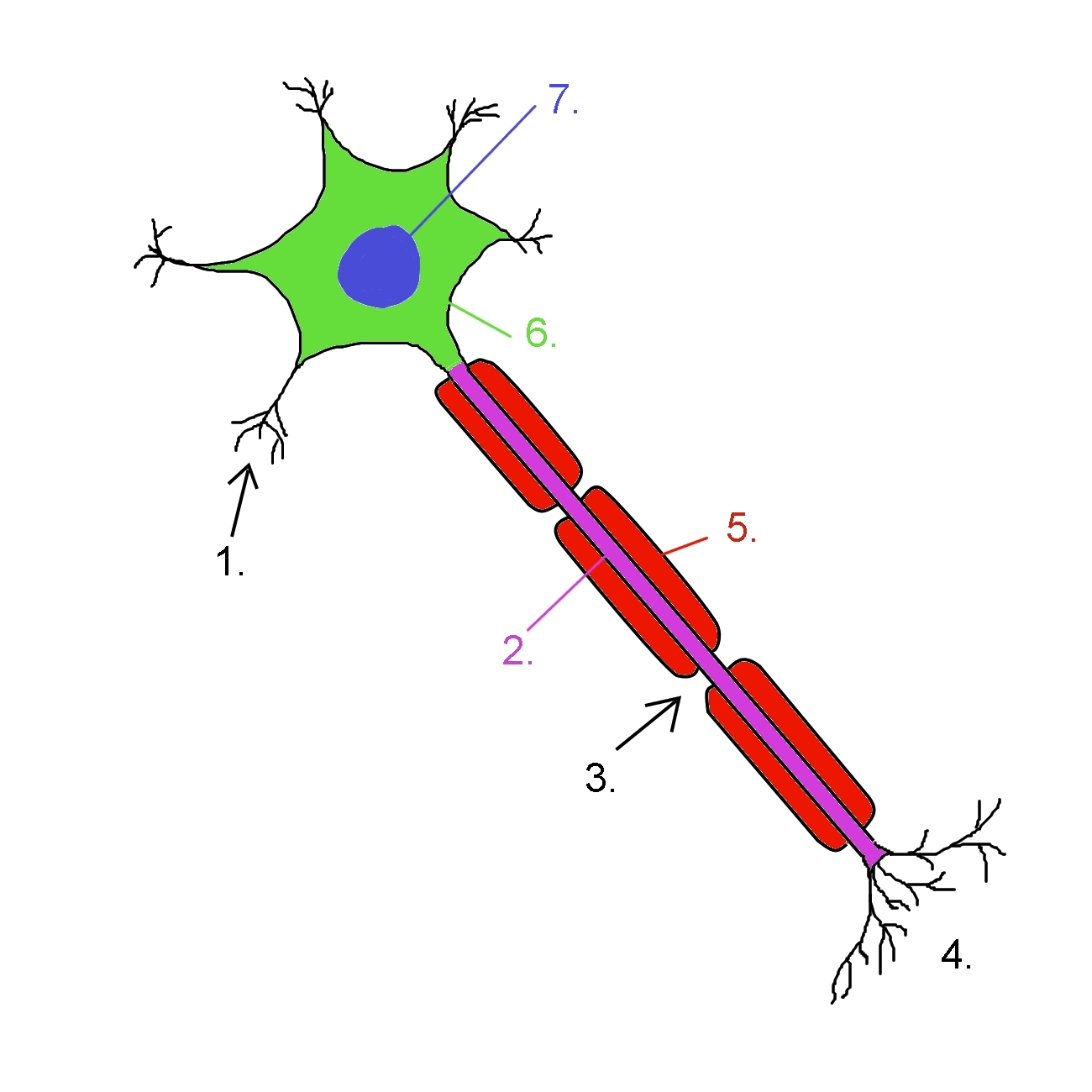
With enough repetition the brain even wraps the circuits you lean on in myelin — a fatty insulation that lets signals travel faster and more reliably. That speed-up is a large part of what getting fluent feels like from the inside.
Researchers have watched this happen in weeks. Learn to juggle and the grey matter in your motion areas grows.
So here is the point: you are never not changing your brain when you practise. An hour of real study is never wasted, even when it feels like nothing happened. Something did. You just cannot see it, because it is happening at the scale of synapses.
Why the change stays invisible
The rewiring is continuous. The visible results are not.
Learning goes in steps: the brain reorganises quietly beneath the surface, then progress arrives suddenly after a long flat stretch. And much of the settling happens after you stop, while you sleep.
So the how long? question, which only ever looks at the surface, is guaranteed to miss the work that matters. It stares at a thermometer that has not moved and concludes the fire is out — while under the floor, the whole house is being rewired.
What changes when you ask a better question
Swap how long until I'm good? for what did this hour just change?, and:
- You measure the right thing. Not an outcome you cannot rush, but whether you made this session count.
- You stop quitting at plateaus. A flat stretch is no longer proof of failure. It is the building phase before the next visible jump.
- The anxiety drains away. There is no finish line looming, so you learn in a calmer state — and a calm brain takes in more than an anxious one.
- You show up more often. Promises about the work are easier to keep than promises about the result, and consistency, not talent, is what builds a language.
The quiet paradox
By letting go of how long?, you often get there faster. The old question works against you — impatience, comparison, the urge to quit. The new one keeps you calm and consistent. You stop fighting yourself, and the brain, left alone, gets on with the rewiring.
You are not sitting in a waiting room hoping fluency will be called. Every hour, you are literally building — wire by wire — the brain that will one day speak this language with ease.
The right question was never how long. It was always: what am I building today?