What Makes Someone Speak Like a Native — And Is Their Brain Different?
Some people speak a second language so well they pass for natives. What determines who reaches that level — and is their brain actually different? A nuanced, encouraging look at age, input, motivation, aptitude, and neuroplasticity.
We have all met one: someone who speaks a second language so completely that you would swear they were born to it — flawless, effortless, indistinguishable from a native. What sets them apart from the rest of us who struggle and stall? Were they simply born with a special brain? The neuroscience gives an answer that is both nuanced and, in the end, quietly encouraging.
It is almost never one thing
The first truth is that near-native mastery is not caused by a single magic ingredient. It is the product of several forces stacking up together.
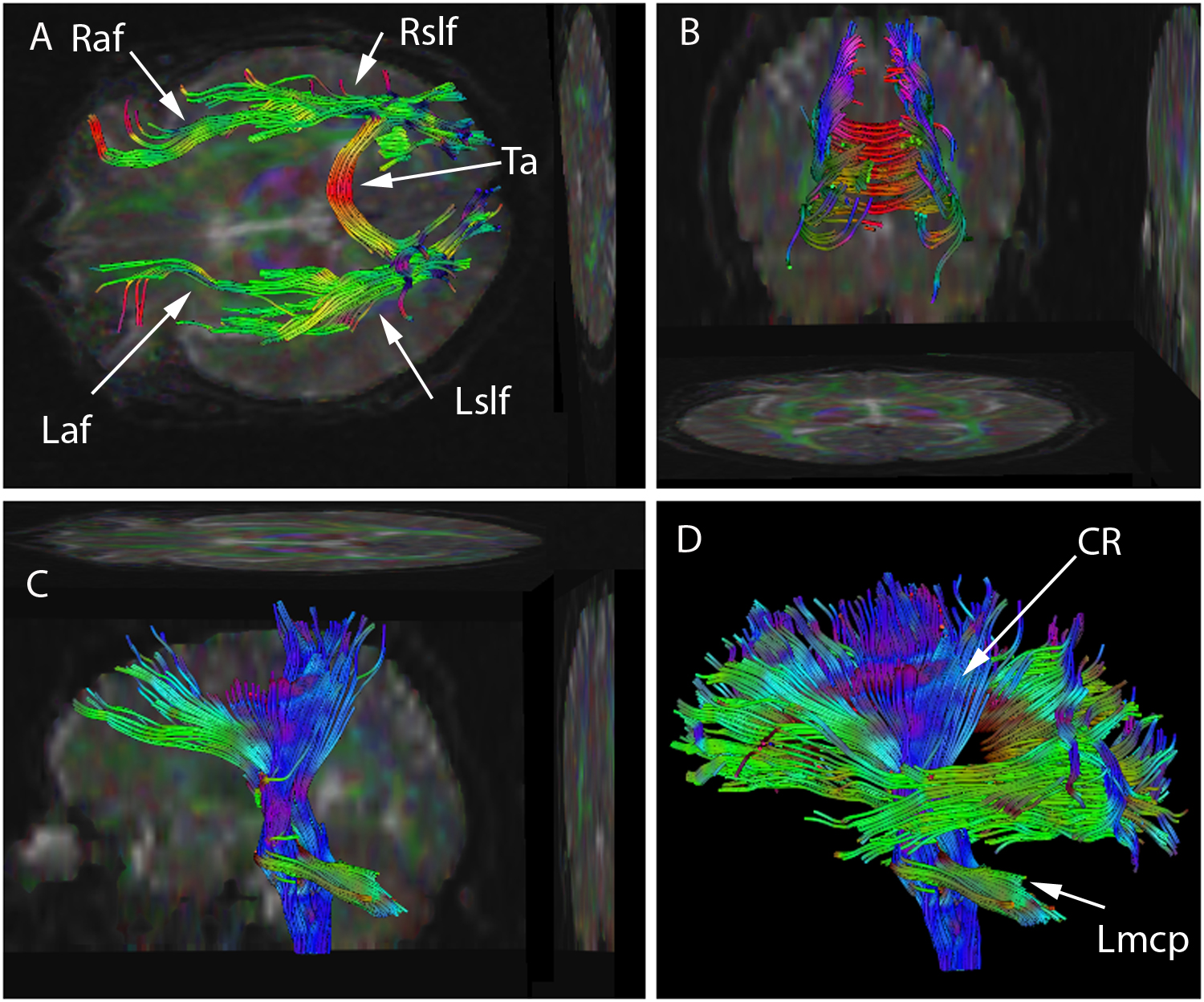
There is no single tract here that near-native speakers have and others lack. Mastery of that kind is a cluster — starting age, hours of contact, how much of it was spoken — and no imaging study has ever found the one ingredient people keep looking for.Source: Afiller at English Wikipedia — CC BY-SA 3.0, Wikimedia Commons
The age you started. This is the single most powerful factor, especially for accent. The younger a person begins, the higher the ceiling they can reach — the legacy of a sensitive period in early life when the brain is exquisitely tuned to absorb the sounds and patterns of language. It is why native-like speakers so often began young.
Sheer exposure and time. Behind almost every native-like speaker lies an enormous quantity of contact — years of immersion, thousands of hours of listening, reading, and living in the language. Ultimate attainment tracks input; nobody arrives there on an hour a week.
Real use, with feedback. Passive exposure is not enough. Those who reach the top have used the language constantly and had their errors pushed back at them — by teachers, by friends, by life — so that mistakes were corrected instead of fossilising.
Motivation and identity. Here is the factor people underestimate. Learners who reach native-like levels tend to want to belong — to identify with the culture, to sound like its people, even to take on a new sense of self in the language. That deep motivation is one of the strongest predictors of who crosses the final mile.
And a modest tilt of aptitude. Some people do pick up unfamiliar sounds and patterns a little faster than others. It is real — but, as we will see, it is a nudge, not a destiny.
So — is their brain different?
Yes, it is. But not in the way most people assume. Brain imaging shows that a highly proficient speaker processes their second language with the same efficient network a native uses, and — remarkably — that learning a language to a high level physically reshapes the brain. Studies have found denser grey matter and stronger connections in language regions in more proficient bilinguals, with the effect strongest in those who learned early and reached high fluency.
But read that carefully, because the direction of cause is everything. Most of that different brain is the footprint of the learning, not a gift that preceded it. The brain changed because of the years of input and use, through the same neuroplasticity that reshapes any well-practised skill. The native-like speaker did not start with a native-like brain; they built one.
The small part that comes first
To be honest, there is a pre-existing sliver. Researchers have found that certain features of brain anatomy, present before training, partly predict who will pick up foreign speech sounds most quickly — so aptitude does have some neural basis, especially for pronunciation. But this is a head start, not a separate species of brain. It tilts the odds and the pace; it does not decide the destination. Plenty of people with ordinary aptitude reach extraordinary levels, and a gifted brain left unused goes nowhere.
The one stubborn frontier: accent
One area resists even the most dedicated late learners: pronunciation. Grammar and vocabulary can be pushed to native-like levels at almost any age, but the accent is the hardest thing to erase completely, because the sensitive period bites hardest on the sounds of speech. Some exceptional adults do achieve it, but a faint accent in an otherwise flawless speaker is not a sign of a lesser brain — it is the fingerprint of when they began.
What this means for you
The lesson is liberating. Near-native mastery is built, not bestowed. You cannot change the age you started — but you can supply everything else the brain needs: a flood of input, constant real use with honest feedback, deep motivation, and years of patient contact. Do that, and your brain will remodel itself toward the same native-like efficiency, one reshaped connection at a time. Start early if you can; if you cannot, start intensely.
The takeaway
What makes someone speak a language like their own? Not a mysterious inborn talent, but a life that gave the brain what it needed: an early start where possible, an ocean of input, real use, honest correction, and a heart set on belonging. Their brain is different — but mostly because they made it so. Give yours the same ingredients, and it will quietly become the brain of someone who speaks the language as if it had always been theirs.
Read the simple version
The same article, told in plain words — for younger readers, or for anyone who wants the point quickly.
Some people speak a second language as if it had always been theirs. Is their brain different?
Yes. But almost certainly not in the way you are imagining.
It is never one thing
The age they started. The strongest single factor, especially for accent. Early in life the brain is extraordinarily good at soaking up the sounds of a language.
Sheer quantity. Behind almost every such speaker sit years of contact and thousands of hours. Nobody gets there on an hour a week.
Real use, with someone pushing back. Listening alone is not enough. Their errors got corrected — by teachers, friends, life — instead of quietly setting hard.
Wanting to belong. This is the one people underestimate. Learners who get this far usually want to sound like the people around them, to be one of them. That kind of wanting predicts the last mile better than almost anything else.
A small tilt of talent. Some people do catch unfamiliar sounds a bit faster. It is real — and it is a nudge, not a destiny.
So is the brain different?
It is. Scans show that someone highly skilled in a second language runs it on the same efficient machinery a native uses. Learning a language to a high level physically reshapes the brain: denser tissue and stronger connections in the language areas, strongest of all in people who started early and got very good.
But read that sentence again, because which way the cause runs is the whole point.
Most of that different brain is the footprint of the learning, not a gift that came before it. The brain changed because of the years of listening and using — the same way any well-practised skill reshapes it.
They did not start with a native-like brain. They built one.
The small part that does come first
To be honest: a sliver. Some features of brain anatomy, measurable before any training, partly predict who will pick up foreign speech sounds fastest. So talent has some real basis, especially for pronunciation.
But that is a head start, not a different species. It shifts the odds and the pace, not the destination. Plenty of people with ordinary aptitude reach extraordinary levels — and a gifted brain that is never used goes nowhere.
The one stubborn frontier
Accent. Grammar and vocabulary can be pushed to native-like levels at almost any age. Pronunciation is the hardest thing to erase completely, because that early window closes hardest around the sounds of speech.
Some adults do manage it. But a faint accent in an otherwise flawless speaker is not the sign of a lesser brain. It is a fingerprint of when they began.
Which is the freeing part
This kind of mastery is built, not handed out. You cannot change the age you started. You can supply everything else the brain needs: a flood of input, constant real use, honest correction, and years of patient contact.
Do that and your brain will remodel itself toward the same efficiency, one connection at a time.
Start early if you can. If you cannot, start intensely.
Sources & further reading
These articles summarize well-established research in learning science and linguistics. Key sources and further reading:
Mechelli, A., Crinion, J. T., Noppeney, U., O'Doherty, J., Ashburner, J., Frackowiak, R. S., & Price, C. J. (2004). Neurolinguistics: Structural plasticity in the bilingual brain. Nature.
Perani, D., & Abutalebi, J. (2005). The neural basis of first and second language processing. Current Opinion in Neurobiology.
Golestani, N., Molko, N., Dehaene, S., LeBihan, D., & Pallier, C. (2007). Brain structure predicts the learning of foreign speech sounds. Cerebral Cortex.
Abrahamsson, N., & Hyltenstam, K. (2009). Age of onset and nativelikeness in a second language: Listener perception versus linguistic scrutiny. Language Learning.
Moyer, A. (2004). Age, Accent and Experience in Second Language Acquisition. Multilingual Matters.