Reading for Meaning: Comprehension Beyond Decoding
A child can read every word on a page and understand none of it. Comprehension is a separate skill — and it can be taught.
A child can read every word on a page and understand none of it. Comprehension is a separate skill — and it can be taught.
Reading has two engines. The first is decoding — turning letters into sounds and sounds into words. The second is comprehension — turning those words into meaning. A reader can be fluent at the first and lost at the second.
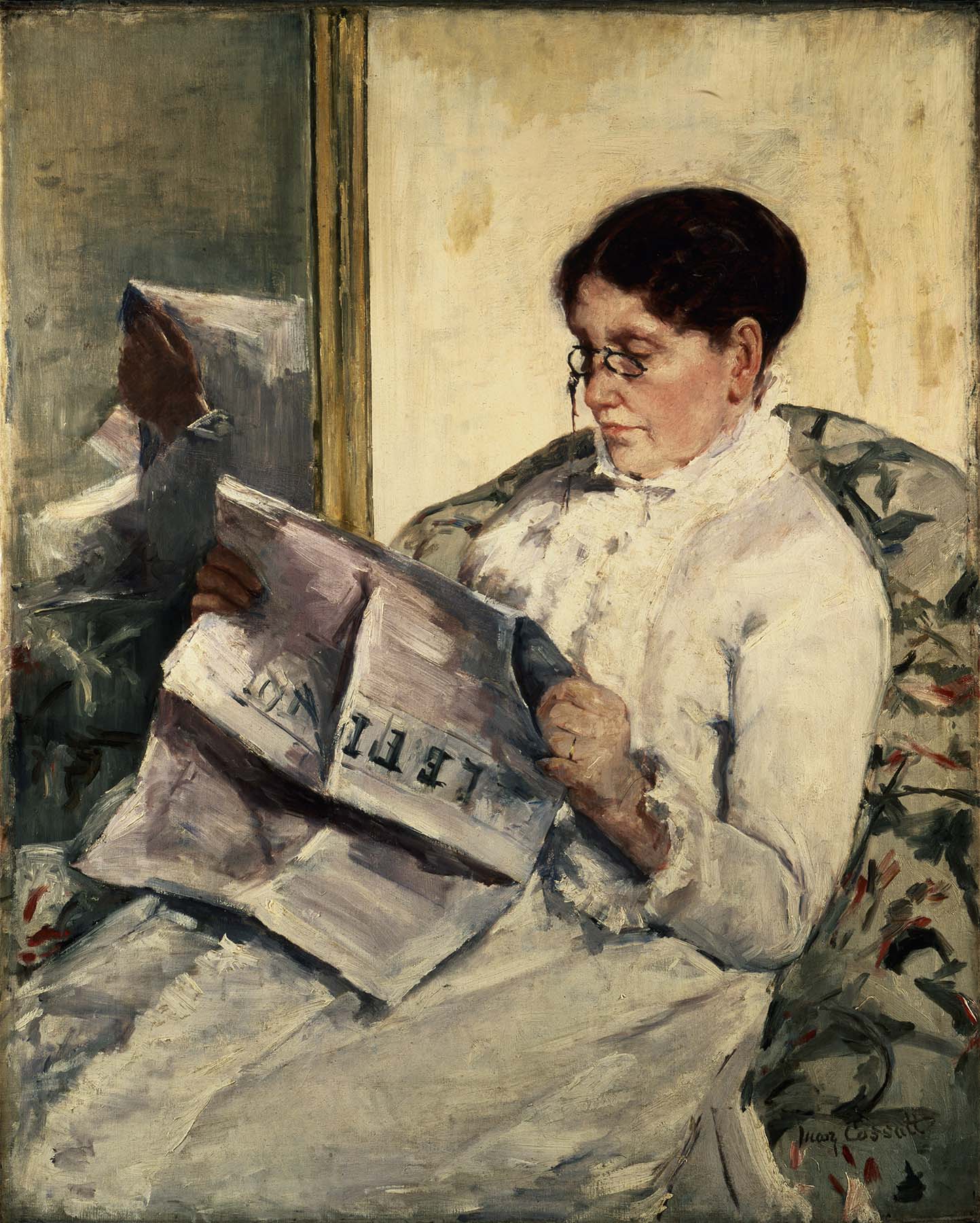
Strong comprehenders do something invisible as they read: they predict, question, picture, and connect. They notice when a sentence does not make sense and go back. These strategies can be taught directly.
Each of these turns a passive reader into an active one — and active reading is where understanding lives.
The same article, told in plain words — for younger readers, or for anyone who wants the point quickly.
Reading runs on two engines at once.
The first is decoding: turning letters into sounds and sounds into words. When you are new to a language this takes all your attention. When you are fluent it costs nothing at all — which is why you cannot look at a word in your own language without reading it.
The second is understanding: working out what the sentences add up to.
You can be perfect at the first and poor at the second. Plenty of people read every word on a page correctly and could not tell you afterwards what it said. The eyes moved; nothing arrived.
While they read, they are also predicting what comes next, asking small questions, picturing the thing described, and checking whether it still makes sense. When it stops making sense they go back — often before they consciously notice something was wrong.
Stop at the end of a paragraph and say, in one sentence, what it just did. If you cannot, read it again — that is exactly the moment worth spending time on.
These articles summarize well-established research in learning science and linguistics. Key sources and further reading:
The question assumes focus is a muscle you train. The strongest evidence says the training barely carries over, and the...
No time, no talent, too old — those are explanations, not causes. What can be measured is duller: one sentence with a ti...
Not one event but four, running on clocks a billion-fold apart: a wave at 400 milliseconds, a word locked in overnight,...
