Spacing: How Forgetting a Little Helps You Remember a Lot
Cramming feels efficient and fails quietly. Spreading practice out is the quiet superpower of memory.
Cramming feels efficient and fails quietly. Spreading practice out is the quiet superpower of memory.
Imagine two students preparing for the same exam. One studies for four hours the night before. The other studies for one hour a week for four weeks. They put in the same time — but a month later, the second student remembers far more.
This is the spacing effect: the same amount of practice produces more durable memory when it is spread out over time. The gaps are not wasted. They are where the work happens.
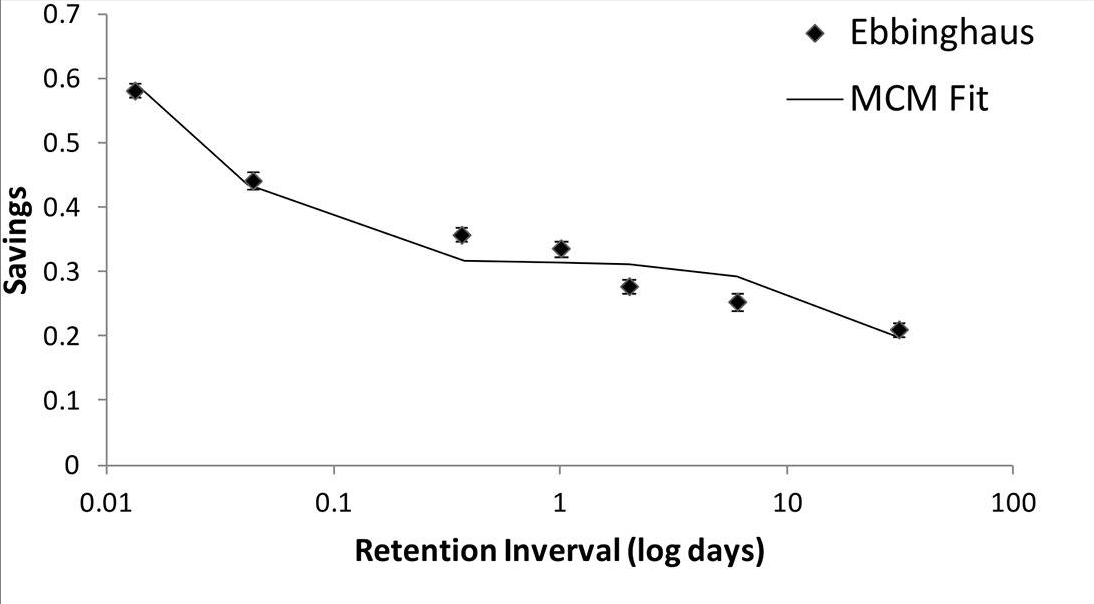
When you leave a gap, you forget a little. Then, when you return and retrieve the material anyway, that retrieval is harder — and more powerful. A review at the moment you are about to forget is worth several reviews while the memory is still fresh.
Forgetting is not the enemy of learning. Used well, it is the engine.
You do not need to schedule this by hand. A spaced-repetition system tracks how well you recalled each item and brings it back at the right moment — sooner if you struggled, later if you did not. Every lesson in this portal does exactly that.
The same article, told in plain words — for younger readers, or for anyone who wants the point quickly.
Two friends study for the same test. One does four hours the night before. The other does one hour a week, four weeks in a row. Same time in total. A month later, the second one still remembers most of it — and the first has lost almost everything.
That is the spacing effect. Practice that is spread out sticks better than practice that is squeezed together.
Here is the strange part: the gaps are the useful bit. While you are away, you forget a little. So when you come back, remembering takes effort — and that effort is what makes the memory strong.
Studying something you already remember perfectly is almost a waste of time. Your brain has nothing to do. Come back when it has gone a bit fuzzy, and the work you do to pull it back is worth much more.
You do not have to plan any of this yourself. A spaced-repetition app watches how well you remembered each thing and brings it back at the right moment — sooner if you struggled, later if it was easy.
So: forgetting a little is not failing. It is the engine.
These articles summarize well-established research in learning science and linguistics. Key sources and further reading:
The question assumes focus is a muscle you train. The strongest evidence says the training barely carries over, and the...
No time, no talent, too old — those are explanations, not causes. What can be measured is duller: one sentence with a ti...
Not one event but four, running on clocks a billion-fold apart: a wave at 400 milliseconds, a word locked in overnight,...
