Priorities in Language Education
If a child is making no progress in a foreign language, the problem may lie in the mother tongue
This piece belongs to a series of 100 posts written in memory of Thom's grandmother, published on her Facebook.
If a child is making no progress in a foreign language, the problem may lie in the mother tongue
This piece belongs to a series of 100 posts written in memory of Thom's grandmother, published on her Facebook.
If your children are learning in an environment that is 50%~100% in a foreign language and are making very little progress, the view in this video is for you.
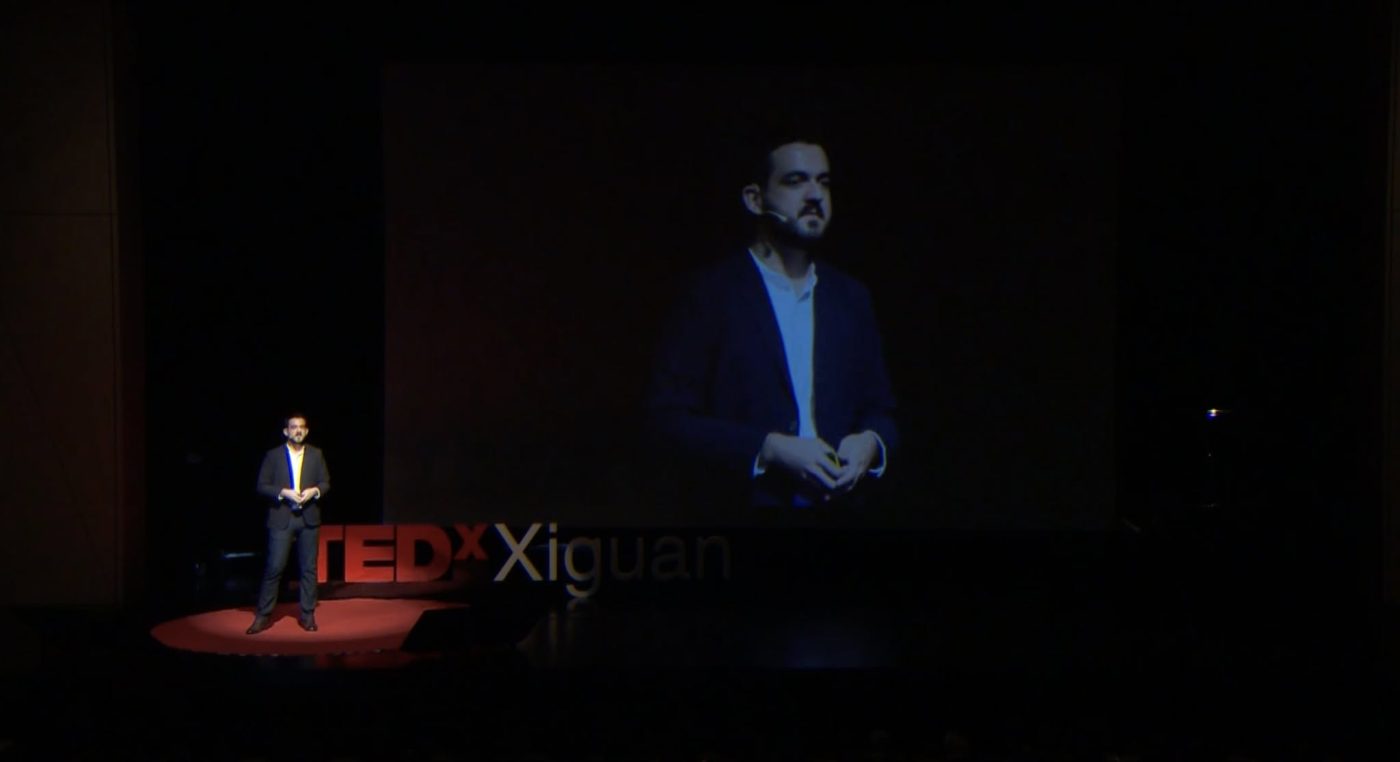
While I was looking for an answer to that question, the TEDx Talk by Shane Leaning, a teacher working in international schools in China, taught me a great many important things.
He argues: “Learning a second language should not be given priority over developing the mother tongue, and learning the mother tongue well is an important foundation that supports a child in learning a foreign language.”
And what learning well in a 100% foreign-language environment really comes down to is nothing other than having solid FOUNDATIONAL KNOWLEDGE in the mother tongue.
“If you learn how to do trigonometry in Chinese you do not have to learn how to do trigonometry again when you learn English, you only need the language to describe it.”
Let me quote the story Shane Leaning tells in the talk:
“It is not unusual for a child to go to an international school where they speak in English, read in English, write in English all day long and then after school go straight to a centre for extra English. This is not necessary. Not only is it likely to harm the child’s language journey but, worse, it harms their social and emotional health.
Let me tell you a story from a few years ago. I worked with a very lovely boy, Joe.
He came from Korea and is about 6 now. Joe moved with his family to China for his parents’ work. And like many other foreign children, Joe was enrolled at the English international school where I teach today.
At first Joe did very well; he always had a bright smile on his face and his relationships with his friends were very good. But before long the teachers grew worried that Joe’s English was making very little progress. Joe would only say very simple phrases but, to be honest, Joe was almost always silent. Well, we invited his parents in to find out a little more, and when they came we were truly baffled. Joe’s parents are the sort of parents every teacher wishes for, hugely supportive of their child. While waiting for the international programme to begin, his parents had bought those English books to read with Joe, they subscribed to several English-language TV channels for Joe, and they had even enrolled Joe at a local English centre. With all this support you would certainly expect his English to improve. And what about Korean, we asked; they answered: we are trying to focus on English — the reading, the studying and the watching, all of it.
And we asked Joe’s parents to try something over the next few months, to bring Korean back into Joe’s life: read Korean with Joe, watch TV in Korean, and talk about what Joe is doing at school not in English but in Korean.
And then we would meet again before deciding whether to go on and see whether there were any other underlying learning needs we might keep testing. A month later, Joe was speaking more English, reading more English, writing more English, and his skills in the other subjects had come on as well.”
https://www.youtube.com/watch?v=w3yRR8rNCSc
Those two weeks in their house were the loveliest thing I had in Athens.
The only thing I want to do with them: read together.
She told me that only that English video really worked, and that she has been able to go back to work.