The Importance of Doing It Over and Over
We cannot expect a short-term effort to give a long-term result.
This piece belongs to a series of 100 posts written in memory of Thom's grandmother, published on her Facebook.
We cannot expect a short-term effort to give a long-term result.
This piece belongs to a series of 100 posts written in memory of Thom's grandmother, published on her Facebook.
“When I come close to a small child, they stir two feelings in me: a love for what they are today, and a reverence for the future they may come to have.”
(Pasteur’s original words, in Nguyễn Hiến Lê’s translation, from the book Săn sóc sự học của con em)
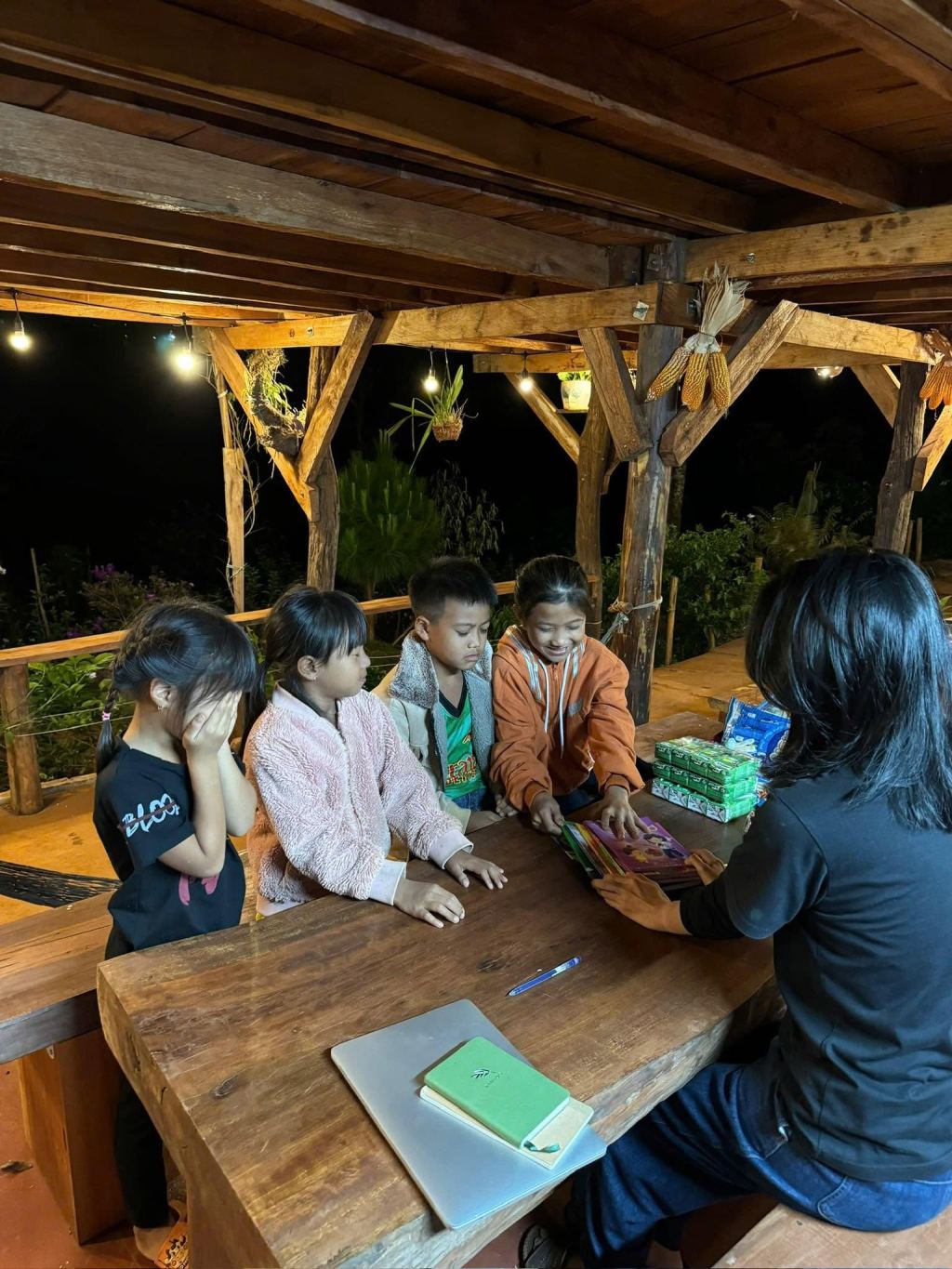
At the end of 2024, inspired by Carol Dweck and Barbara Oakley, I ran a small project of my own, teaching how to learn (centred on spaced repetition — lặp lại ngắt quãng), the brain, and reading, to children of primary and lower-secondary school age. My goal back then was very idealistic: that the children would learn how to learn, and would understand that the ability to learn is not fixed, if we believe that and give more time to the subject we love and want to get better at. If this interests you, you can read further on Carol Dweck’s research showing that teaching Growth Mindset alone improved the grades of the group studied, or take Barbara Oakley’s Learning How To Learn course, which will help you understand what kind of learner you are, a walker or a racing driver, and by what principles the brain really learns and takes in knowledge.
Jason Arday, the professor with autism who could not speak his first word until he was 11, learned to read at 18, finished his doctorate at 30 and became the youngest Black professor in Cambridge’s history at 37, taught me a great deal about the thing we can most respect in people with autism: to love REPETITION, and to make it ordinary, in your own journey through education.
The biggest lesson of six weeks in all — in Ninh Bình (where I stayed longest), Đắk Lắk and Lâm Đồng — was one that was not in the plan: teaching how to learn (spaced repetition) needs repeating too. If I cannot walk alongside them and teach how to learn over many years, the change in how they see things cannot happen.
We cannot expect a short-term effort to give a long-term result.
Those two weeks in their house were the loveliest thing I had in Athens.
The only thing I want to do with them: read together.
She told me that only that English video really worked, and that she has been able to go back to work.