The world’s multilingual cities
New York has seven hundred languages and a great many people who speak one. What actually happens in the most linguistically crowded cities on Earth, and why being near a language has never been enough to learn it.
New York has seven hundred languages and a great many people who speak one. What actually happens in the most linguistically crowded cities on Earth, and why being near a language has never been enough to learn it.
There is a corner of Queens, in New York, where within a few hundred metres you can hear Spanish, Cantonese, Bengali and Quechua — the language of the Inca, now spoken on a subway platform. In Chợ Lớn, in Saigon, a morning at the market can pass in Vietnamese, Cantonese and Teochew without anyone finding it remarkable.
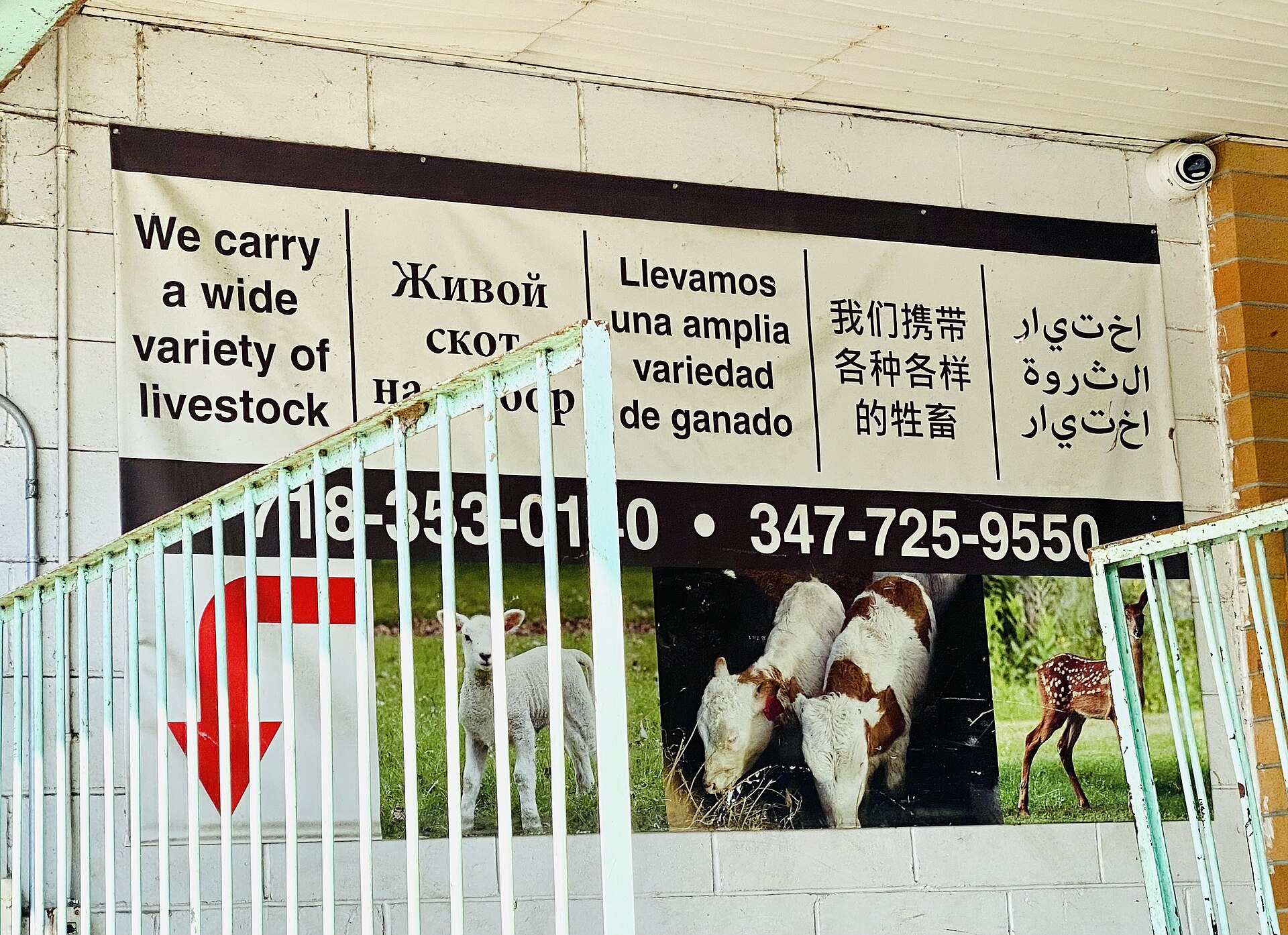
Places like these raise a real question: does living among many languages make you a speaker of many languages? The answer is no — and why not is the part worth studying.
In 2000, a survey of schoolchildren by Philip Baker and John Eversley found more than 300 home languages in London's schools. The 2011 UK census, asking the whole city, recorded 90. A threefold difference, and neither is lying: a census asks what your main language is and people answer English, while a school survey asks what the child speaks at home.
New York has been mapped rather than counted: the Endangered Language Alliance has documented roughly 700 language varieties at more than 1,200 sites. So whenever you meet a large number, ask who counted and what was allowed to count as a language — the line between language and dialect is mostly political, and Cantonese and Mandarin are not mutually intelligible at all.
They are multilingual for four quite different reasons, and the reason decides what happens to the people living there.
By migration. New York and London. Nobody planned it; hundreds of languages arrive with the people who carry them, cluster into neighbourhoods, and disperse again. The anthropologist Steven Vertovec calls this super-diversity: many groups differing in immigration status, route and date of arrival, layered until the label community stops describing anything.
By policy. Singapore has four official languages and has built a bilingual school system around them since the 1960s. Hong Kong runs on the formula biliterate and trilingual (兩文三語). Brussels separates rather than mixes: French and Dutch are held apart by law. Here multilingualism is designed, and it does produce multilingual people — because the system requires them.

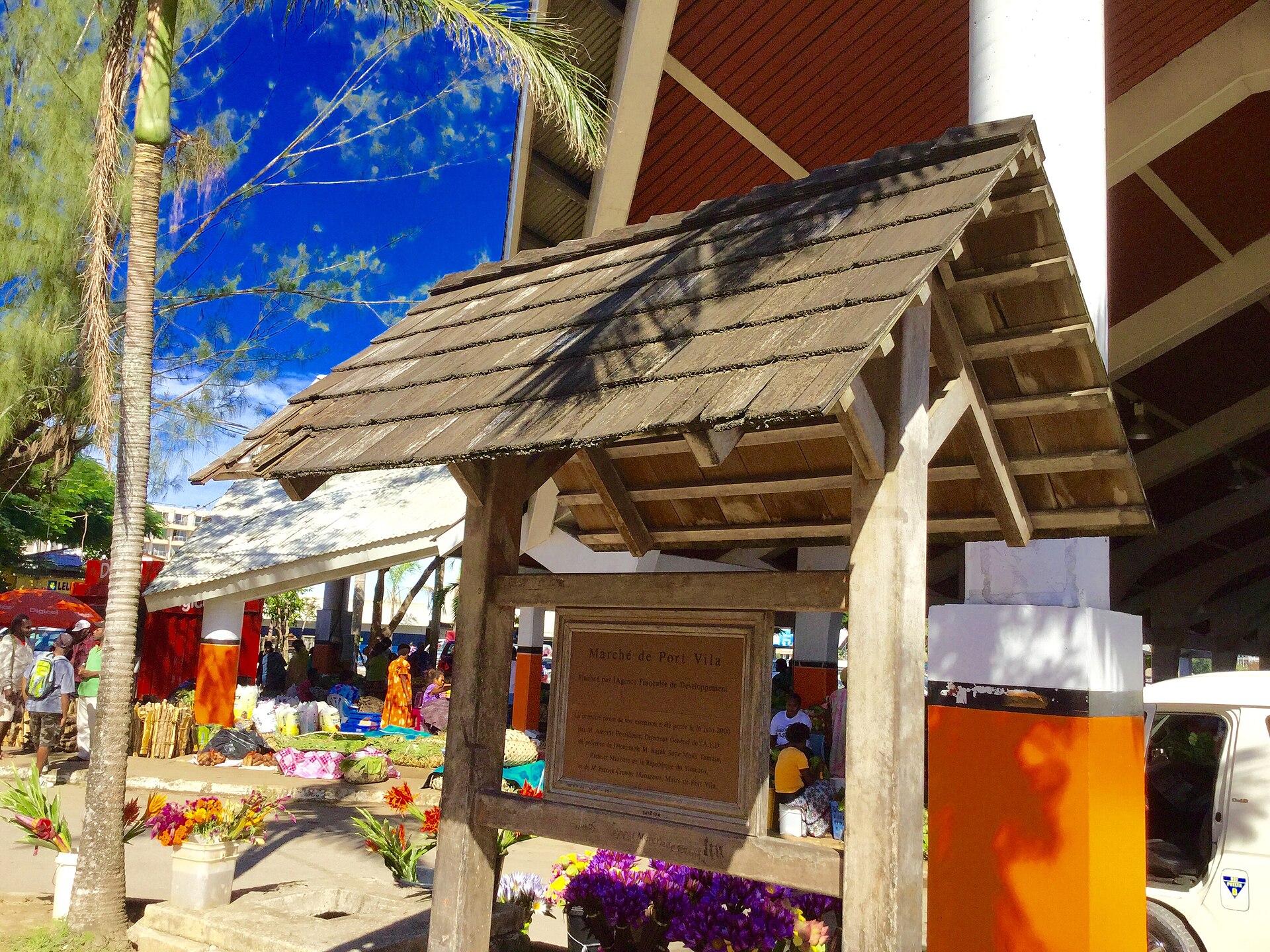
By indigenous density. Vanuatu, an island nation of fewer than three hundred thousand people, has over a hundred indigenous languages — the highest density on Earth. In the capital, Port Vila, what connects everyone is neither English nor French but Bislama, a creole descended from the pidgin of nineteenth-century sea-cucumber traders.
By layered history. Chợ Lớn is the example closest to home for a Vietnamese reader. Chinese communities reached Saigon in several waves from several regions, so what gets filed as Chinese there is really Cantonese, Teochew, Hokkien, Hainanese and Hakka — five varieties that cannot understand one another. Add Vietnamese, and most of a century of French in the schools.
Here is the turn: New York has seven hundred languages and a great many New Yorkers who speak one. You can live a whole life in Queens, walk past shop signs in six writing systems every day, and learn not one sentence beyond English. Being near a language does not teach it to you.
What teaches it is need. People learn the language their day demands — buying, working, talking to family. Which is why a shared language is dangerous for a learner: it absorbs the need. Bislama does that in Port Vila; English does it in New York.
The same city both gathers languages and dissolves them. Sociolinguists describe a very regular pattern, called three-generation shift: the grandparents speak only the heritage language; the parents speak both; the grandchildren speak only the dominant one, understanding their grandmother but unable to answer her. Calvin Veltman measured it in the United States, Joshua Fishman set it inside a theory of how a community might halt it, and Alejandro Portes and Rubén Rumbaut followed an entire immigrant second generation along that curve.
That is why the Endangered Language Alliance is based in New York rather than in some distant forest: a great many small languages have their last speakers living in a large city. This is a pattern, not a law — communities with schools, newspapers and an economic reason to keep the language slow it down considerably. But slowing it requires intent; left alone, it runs by itself.
Move there and you'll pick it up is usually false. Plenty of people live abroad for years without the local language, because their work and every transaction run in English. Changing where you live does not change what you need. And a language neighbourhood — Chợ Lớn, Chinatown, Little Saigon — buys a generation or two, not more, without someone deliberately passing it on.
Treat the shared language as your practice's rival. If you are learning Chinese and the other person speaks English, the conversation will drift into English, because that is easier for both of you. Real practice means deliberately seeking the situations where your target language is the only option — which is to say, manufacturing the need. What is compulsory gets learned; what is convenient gets dropped.
The world's multilingual cities are not museums of diversity. They are machines that are running: pulling languages in from everywhere, building a common denominator, and quietly wearing away everything outside it. What they teach a learner is not in the number seven hundred or three hundred, but in why that number turns nobody into a speaker of many languages. A language does not enter you because it is near. It enters when you need it.
The same article, told in plain words — for younger readers, or for anyone who wants the point quickly.
There is a street corner in New York where, in a few hundred steps, you can hear five or six different languages. In Chợ Lớn, in Saigon, someone can do the morning shopping in Vietnamese, then Cantonese, then Teochew, and nobody thinks it is strange.
So here is a fair question. If you live in a place like that, do you end up speaking lots of languages?
The answer is no. And the reason why is worth knowing.
People say London has 300 languages. Where does that number come from? In 2000, two researchers asked around 900,000 London schoolchildren what they speak at home. More than 300 different answers came back.
But the government census in 2011 asked the whole city a slightly different question — what is your main language? — and got only 90.
Same city. Three times the difference. Nobody lied. They just asked different questions.
In New York, a small group called the Endangered Language Alliance went out and looked, street by street. They found about 700 kinds of language in over 1,200 places. So when you see a big number, always ask who counted, and how.
New York has seven hundred languages. It also has a huge number of people who speak only one.
You can live your whole life there, walk past signs in six different alphabets every day, and never learn a word of any of them.
Being close to a language does not teach it to you. What teaches it to you is needing it.
People learn the language they need for buying things, for work, for talking to family. If everything in your day can be done in English, English is what you learn — no matter what else is around you.
This is the sad half. There is a pattern that repeats again and again:
Three generations, and a language is gone from a family. That is why the group protecting small languages is based in New York, not in a far-away forest — many of the last speakers of small languages live in big cities.
It is a pattern, not a rule. Families with schools, newspapers and a reason to keep the language can slow it down a lot. But they have to try. If nobody tries, the pattern just happens.
A language does not come to you because it is nearby. It comes when you need it.
These articles summarize well-established research in learning science and linguistics. Key sources and further reading:
The question assumes focus is a muscle you train. The strongest evidence says the training barely carries over, and the...
No time, no talent, too old — those are explanations, not causes. What can be measured is duller: one sentence with a ti...
Not one event but four, running on clocks a billion-fold apart: a wave at 400 milliseconds, a word locked in overnight,...


