Writing like a native is two clocks, not one
Conrad took seventeen years. Jhumpa Lahiri took three. The gap is not talent — one of them had two things to learn and the other only had one.
Conrad took seventeen years. Jhumpa Lahiri took three. The gap is not talent — one of them had two things to learn and the other only had one.
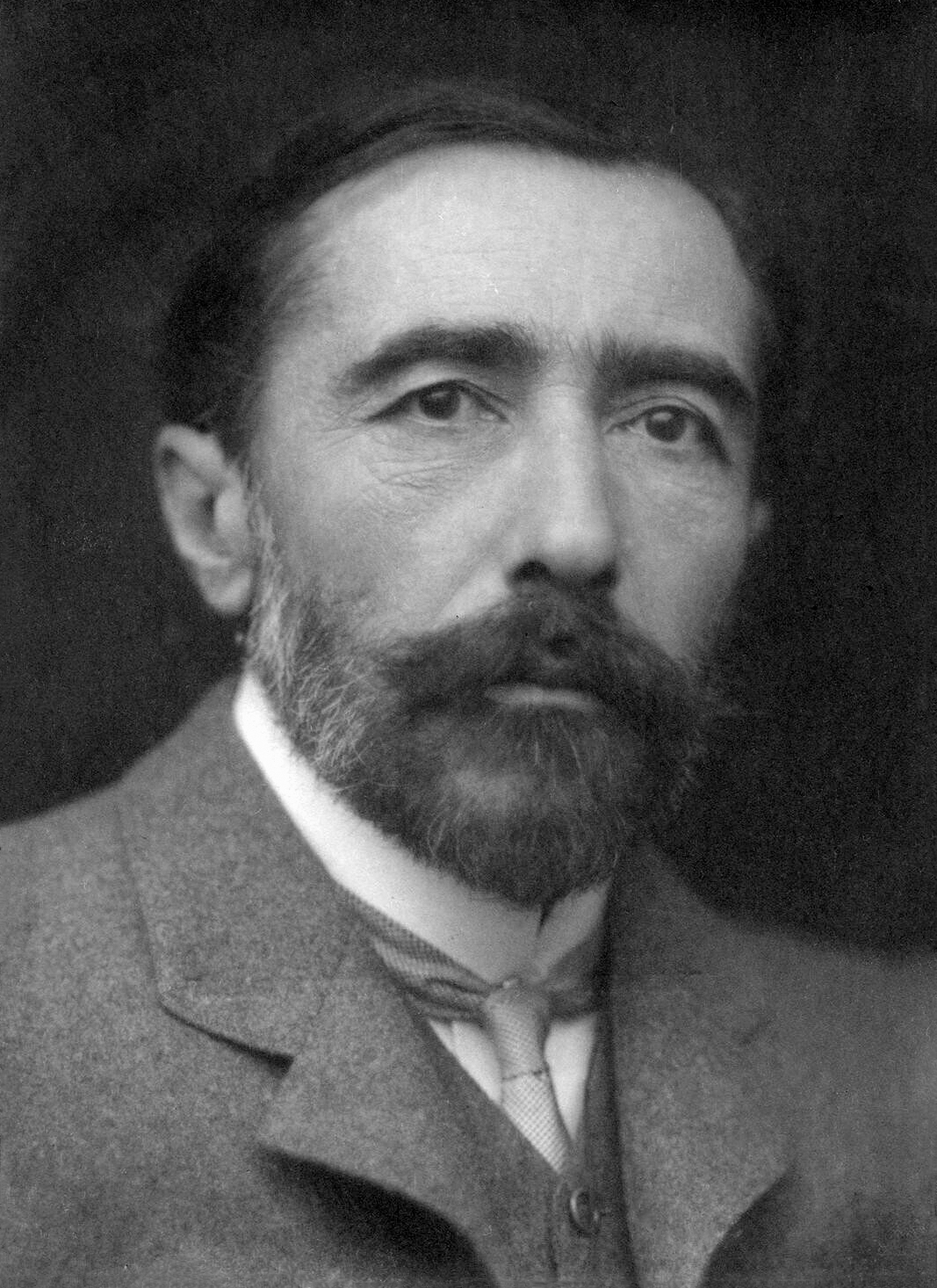
In June 1878 a twenty-year-old Pole came ashore at Lowestoft with a few words of English in him. Seventeen years later he published his first novel in that language, under the name Joseph Conrad. So it can be done. But those seventeen years bundle together two quite different things, and only one of them is English.
The first clock measures when the foreign language stops being the obstacle. The second measures when you have learned to write — and native speakers pay that one in full, without a penny off.
To test whether the second clock is real, hand a blank page to any native speaker you like and ask for a page worth reading. Most cannot do it; speaking the language perfectly barely helps. Which means the native speaker was the wrong target all along: what you want is not a native, it is a trained writer.
The only place with decent numbers is the language school of the US State Department. It trains to what it calls professional working proficiency: for an English speaker, about 600 to 750 classroom hours for French or Spanish, about 2,200 for Chinese, Japanese, Korean or Arabic. But be clear about what that level is. It is the level at which you can sit in a meeting and read a report. It is a floor, not a ceiling.
Vocabulary shows the distance still to run. Knowing 98% of the words in a novel — the threshold at which you read on instead of reaching for a dictionary — takes around 9,000 word families. An educated native carries roughly twice that. And that is only for reading: writing means producing the right word, not recognising it on sight.
The figure closest to real life comes from schools. Long-term studies of immigrant children in the United States find one to two years is enough to chat comfortably with classmates, but five to seven years to write at their own grade level — and seven to ten if the first language is dropped along the way. Speaking and writing differ here by a factor of three to five.
One trace is strangely persistent. Laufer and Waldman compared about 300,000 words of essays by Israeli learners of English at three proficiency levels against a corpus of native undergraduates. Learners at every level used far fewer verb–noun collocations, and the errors did not thin out as proficiency rose: more than a third of them came from the most advanced group, mostly dragged across from the first language.
The reason is that collocations cannot be reasoned out. No rule tells you that in English you make a mistake but commit a crime. They are only remembered, and they are remembered because you have met them many times over. This is the part grammar cannot buy, and the part that makes a page obeying every rule still sound like a foreigner's.
The strictest evidence about the ceiling sounds discouraging. Abrahamsson and Hyltenstam had native judges listen to 195 second-language speakers of Swedish; a subset of those mistaken for natives was then examined closely with ten demanding tasks. Among those who had begun as adults, not one landed inside the native range.
But look at what those tasks were: every one ran in real time and every one drained working memory. Writing is the opposite. Writing is the one place you are allowed to be slow — to look things up, to compare, to revise twenty times, to hand the page to somebody else. The accent is the hardest ground there is. The page is the softest.
Kellogg divides writing into three stages: telling what you know; transforming what you know to fit an intention; and finally crafting sentences while holding in mind how a reader will take them. The third stage, on his account, takes more than two decades of growing up and practising to reach — and most adults never reach it, in their own language.
Here is the honest part that pieces about ten thousand hours tend to leave out. When Macnamara and colleagues pooled the studies, practice accounted for 26% of the difference in performance in games, 21% in music, 4% in education and under 1% in professions. Hours are necessary. But nobody can look at your hours and tell you how well you will end up writing.
Conrad: seventeen years, from a few words of English in 1878 to a first novel in 1895. Aleksandar Hemon was stranded in Chicago in 1992 with rough English, wrote his first story in English three years later, and published his first collection in 2000 — eight years. Ha Jin arrived in the United States in 1985, began writing in English in 1990, and won the National Book Award in 1999 — fourteen years.
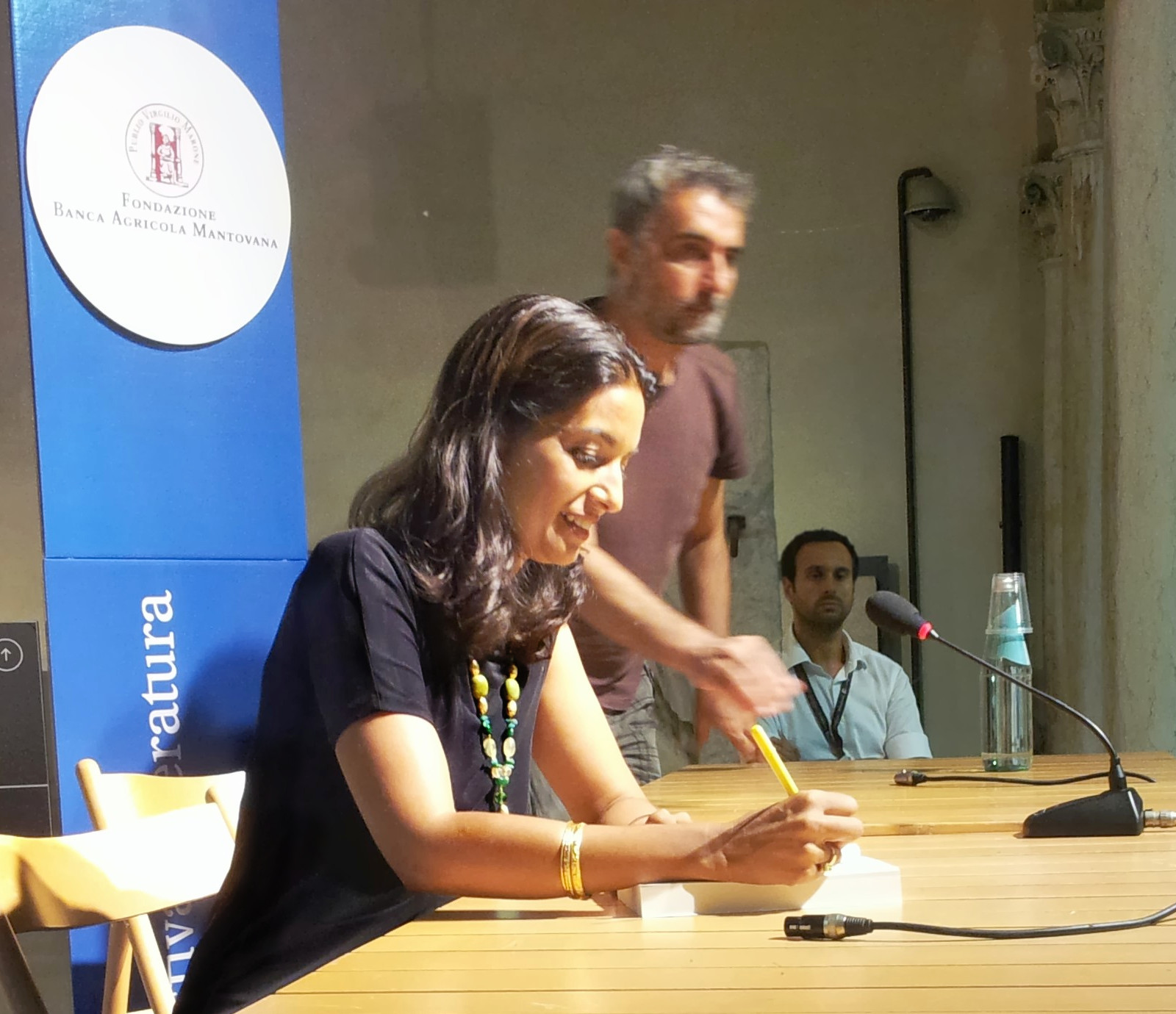
The case that separates the two clocks is Jhumpa Lahiri. She had already won a Pulitzer in English, so the second clock was paid off. She moved to Rome in 2012, published her first book in Italian in 2015 and her first Italian novel in 2018. Three years, then six — for the language alone.
Two cautions when reading numbers like these. We only see the ones who arrived; the people who gave up leave no data behind. And not one of them started from zero as a writer — every one was already a heavy reader, in some language.
The honest answer is that nobody has measured this directly, and the figures above are assembled from the evidence lying next to it. Assembled, they come out roughly like this. If you already write well in your own language, the language half looks like three to six years of daily reading and writing inside the target language. If you have never learned to write in any language, add the second clock — and it is the longer one.
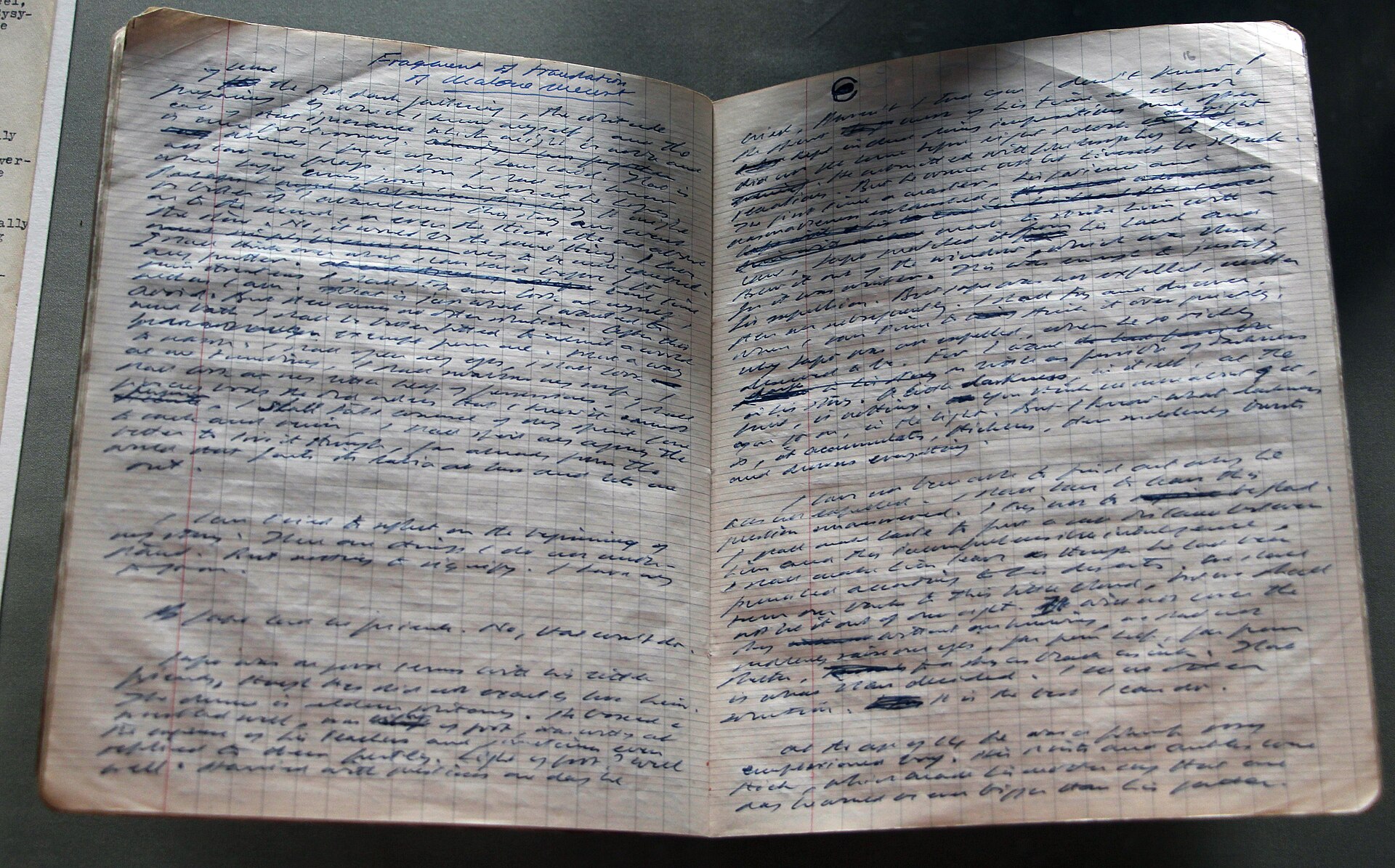
Do not measure with the question of whether you sound native yet, because that question has no answer date. Measure with a different one: when somebody reads a page of yours, do they stop anywhere. To bring that count down, read heavily in the exact register you mean to write in, collect phrases rather than single words, find one native reader willing to cross things out, and expect your drafts to look like the page above — covered in deletions.
The same article, told in plain words — for younger readers, or for anyone who wants the point quickly.
Someone asks: how many years until I can write in a foreign language the way a native does? It sounds like one question. It is two.
The first question is about the language — when does it stop getting in your way? The second is about writing itself — when do you know how to build a page somebody wants to read? Native speakers get the first one free. They pay the second in full, like everybody else.
If you doubt the second one is real, try it. Give a blank page to any native speaker and ask for something worth reading. Most cannot do it. So writing like a native was never the right goal. What you want is a trained writer who happens to work in that language.
How long is the language part? The language school of the US State Department teaches diplomats to the level where they can sit in a meeting and read a report. For an English speaker that takes roughly 600 to 750 classroom hours in French or Spanish, and roughly 2,200 in Chinese, Japanese, Korean or Arabic. That is a floor, not a ceiling, and it is nowhere near writing a novel.
Vocabulary shows how far is left. To know 98 words out of every 100 in a novel — the point where you stop reaching for a dictionary — takes about 9,000 word families. An educated native carries roughly twice that. And that is only what reading needs. Writing means pulling the right word out, which is harder than recognising it.
The number closest to real life comes from schools. Children who move to a new country need one or two years to chat easily with classmates, but five to seven years to write at their own grade level, and seven to ten if their first language is dropped along the way. Talking and writing are not the same job.
One thing keeps giving learners away: which words go with which. Laufer and Waldman compared 300,000 words of essays by learners of English at three levels against native students. Learners used far fewer verb-and-noun pairings, and the mistakes did not go away as the learners improved — more than a third of them came from the most advanced group. You cannot work these out from rules. In English you make a mistake but you commit a crime, and no rule says so. You only remember them, from meeting them many times.
Now the discouraging study, which deserves telling honestly. Abrahamsson and Hyltenstam had native Swedes listen to 195 people who spoke Swedish as a foreign language. The ones who fooled the listeners were then tested with ten hard tasks. Of those who had started as adults, not one scored inside the native range.
But look at what those tasks were. Every one happened in real time, under pressure. Writing is the opposite. Writing is where you are allowed to be slow: to look things up, to compare, to rewrite twenty times, to ask somebody else to read it. Speaking without an accent is the hardest thing in a language. The page is the easiest.
And the second clock, the one everybody pays? Kellogg describes three stages of learning to write: saying what you know; reshaping what you know to fit a purpose; and finally shaping sentences while holding in your head how a reader will take them. He says the third stage takes more than twenty years of growing up and practising. Most adults never get there, in their own language.
Be careful with hours, though. Macnamara and colleagues gathered the studies on practice and performance. Practice explained 26% of the difference in games, 21% in music, 4% in school and less than 1% in jobs. Hours are necessary. They are not a prediction.
Here are the people who did it. Conrad: seventeen years. Aleksandar Hemon was stranded in Chicago in 1992 with poor English, wrote his first English story three years later, and had a book out in 2000 — eight years. Ha Jin came to America in 1985, started writing in English in 1990 and won the National Book Award in 1999 — fourteen years. And Jhumpa Lahiri, who had already won a Pulitzer in English, moved to Rome in 2012, had an Italian book out in 2015 and an Italian novel in 2018. Three years, then six — because for her, only the language was new.
Two warnings about those numbers. We only see the people who arrived; the ones who gave up left no record. And none of them started from nothing as writers — every one was already a heavy reader in some language.
The honest answer is that nobody has measured this directly. Everything above is assembled from evidence lying next to the question. Put together, it comes out something like this: if you already write well in your own language, the language part looks like three to six years of reading and writing every day inside the new one. If you have never learned to write in any language, add the second clock — and the second clock is longer.
A better question to ask yourself: when somebody reads a page of mine, do they stop anywhere? To get that number down, read a great deal of exactly the kind of thing you mean to write, note down phrases instead of single words, find one native reader who will cross things out, and expect your drafts to end up covered in deletions. Beckett's were.
These articles summarize well-established research in learning science and linguistics. Key sources and further reading:
The question assumes focus is a muscle you train. The strongest evidence says the training barely carries over, and the...
No time, no talent, too old — those are explanations, not causes. What can be measured is duller: one sentence with a ti...
Not one event but four, running on clocks a billion-fold apart: a wave at 400 milliseconds, a word locked in overnight,...

_by_Samuel_Beckett.jpg)
